Charlotte's Storm Season Creates Tree Hazards That Don't Resolve on Their Own
What Charlotte's Summer Thunderstorms Do to Mature Trees
When Charlotte's warm-season convective storms roll through — the kind that drop two inches of rain in forty minutes along the I-485 corridor — saturated clay soil loses its grip on root systems almost instantly. Trees that looked stable for decades lean overnight. Branches that held through winter ice storms snap under summer wind shear because the wood is already compromised by months of humidity-driven decay. The visible damage is obvious; the hidden structural failures in neighboring trees are not.
L & A Vegetation Services works throughout Charlotte's established neighborhoods, where mature hardwoods — red oaks, willow oaks, and tulip poplars common in older areas like Dilworth and Plaza Midwood — often have canopies that extend well over rooflines. Removing a tree in these conditions requires assessing not just the damaged specimen but every overhead and lateral hazard within its fall zone. A crew that skips this evaluation risks driving a secondary limb through a roof while removing the first.
How Controlled Removal Works When Space Is Limited
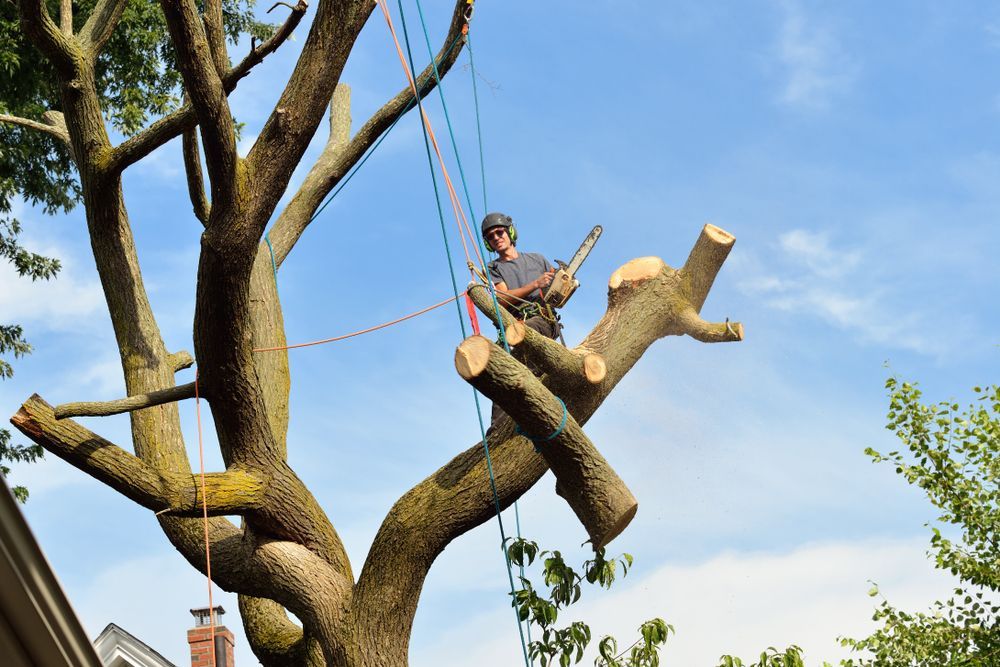
Sectional dismantling is the standard technique when a Charlotte property lacks a clear drop zone — which describes most residential lots inside the Beltway. Climbers establish rigging points in the upper canopy, and sections are lowered on rope systems rather than dropped free. This prevents trunk sections from bouncing into foundation plantings, crushing irrigation heads, or cracking hardscaping. When the job is complete, the beds and walkways beneath the former tree look untouched.
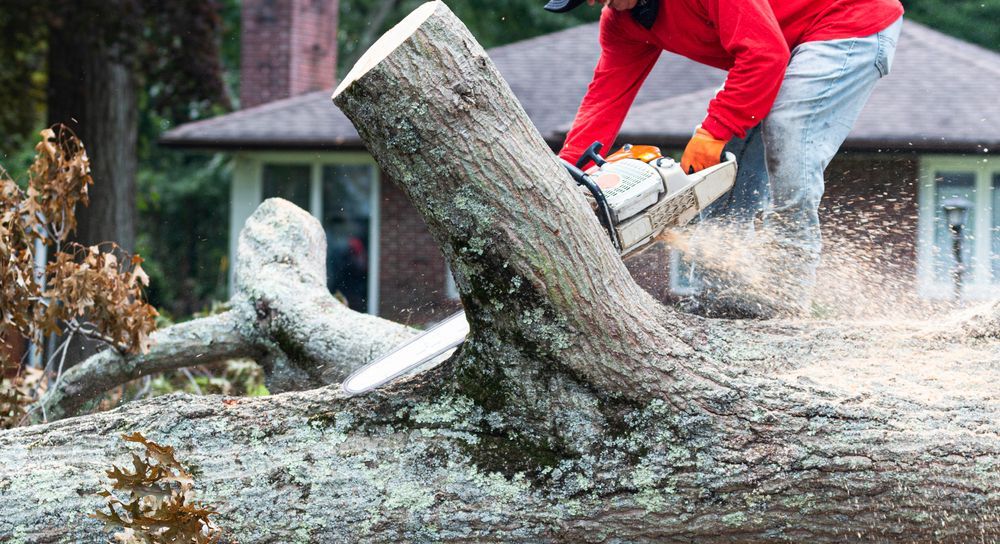
For trees leaning toward structures, the sequence matters as much as the technique. Weight is removed from the failure side first, reducing the load on the compromised root plate before any cut is made at the base. This counterintuitive order — working top-down rather than cutting and hoping — is what separates controlled removal from situations that end with a tree on a roof. Each cut changes the physics of what remains, and experienced crews plan the full sequence before starting.
If a tree on your Charlotte property is showing lean, crown dieback, or visible root heave, reach out now for hazardous tree removal assessment before the next storm removes the decision from your hands.
Conditions That Make Charlotte Tree Removal Urgent
Certain warning signs indicate a tree has moved from a maintenance issue to an active structural threat. Recognizing them early determines whether removal happens on a schedule you control or in response to an emergency:
- Sudden visible lean following saturated soil from heavy rain — Charlotte's red clay holds water long after a storm passes, destabilizing root systems days later
- Cracks or seams running vertically through the main trunk, which indicate the wood is separating under load and can fail without further warning
- Crown dieback where the upper canopy has gone brown or bare while lower branches remain green, signaling root system failure working upward
- Mushroom or shelf fungus growth at the base of a trunk, confirming internal decay that isn't visible from the outside
- Branches with bark that has peeled or separated, leaving exposed wood that no longer has structural integrity during wind events
A tree that fails on a calm day was compromised long before the weather had anything to do with it. Get in touch to schedule tree removal in Charlotte and have a trained crew evaluate what's standing before it becomes what's fallen.