Cutting Back Limbs That Crowd Your Roof
Tree Trimming in Charlotte for branches scraping rooflines, blocking gutters, and hanging over power lines
L & A Vegetation Services handles tree trimming for homeowners and businesses in Charlotte who need overgrown branches cut back before they damage shingles, clog gutters, or create safety hazards during storms. You may have a maple with limbs resting on your roof, an oak blocking sunlight from your driveway, or a pine dropping needles into your downspouts every fall. Trimming removes these problem branches while keeping the tree healthy and structurally sound.
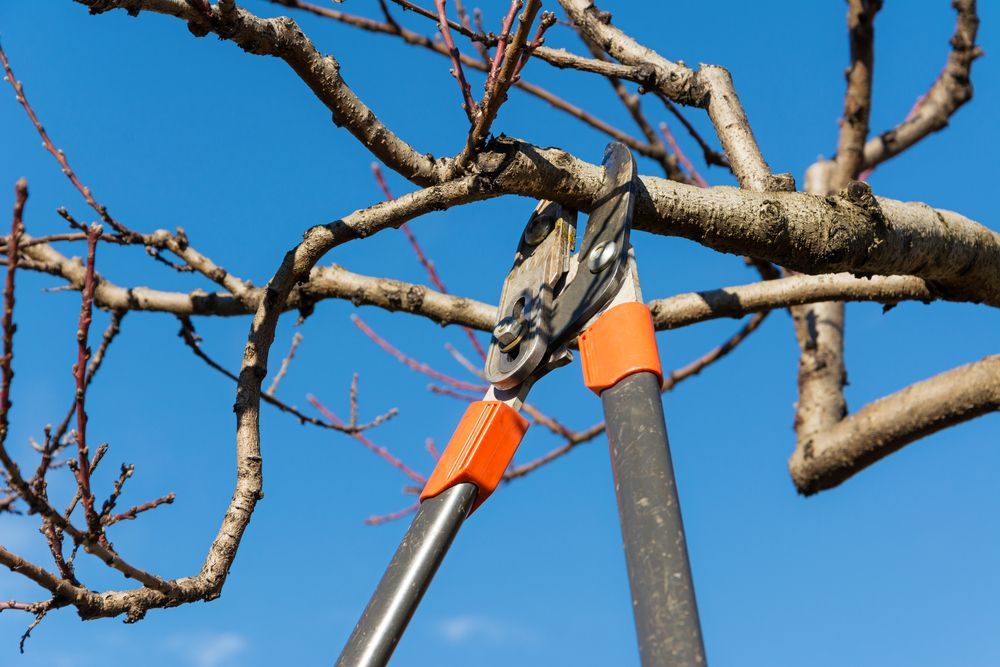
The crew evaluates which limbs to remove based on clearance, weight distribution, and the tree's natural shape. Branches that cross over your roof or rub against siding are cut back to the nearest main branch or collar, leaving a clean wound that seals over time. In Charlotte, summer growth can push limbs closer to power lines and structures, and waiting too long increases the chance of storm damage when wind loads those branches with rain and debris.
Schedule a free estimate with L & A Vegetation Services if your trees are encroaching on structures or creating clearance issues around your property.
How Trimming Changes Your Tree's Profile and Safety
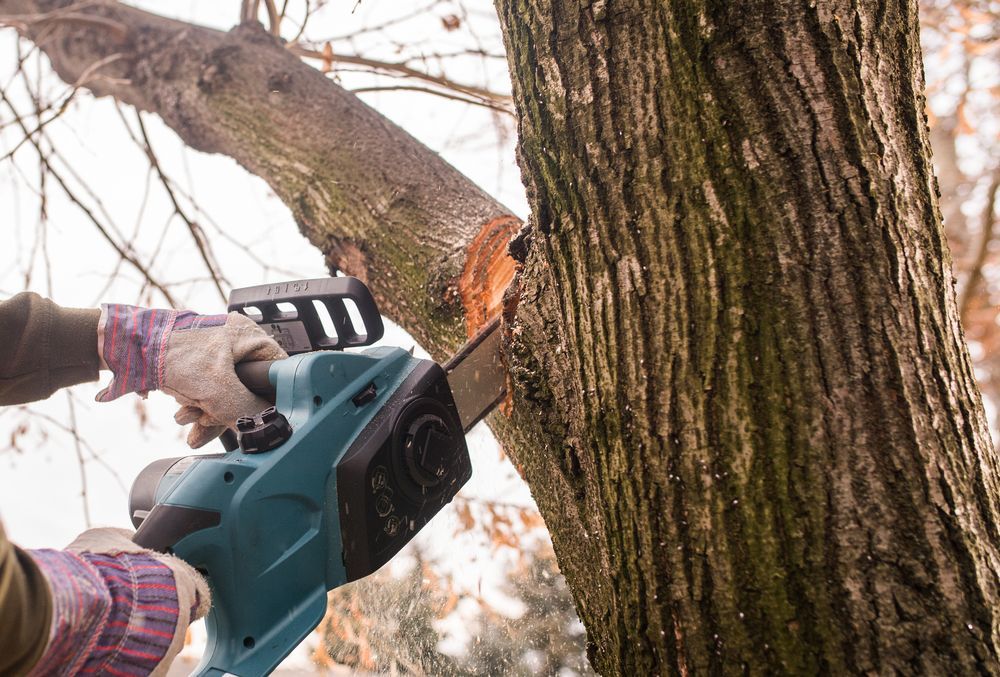
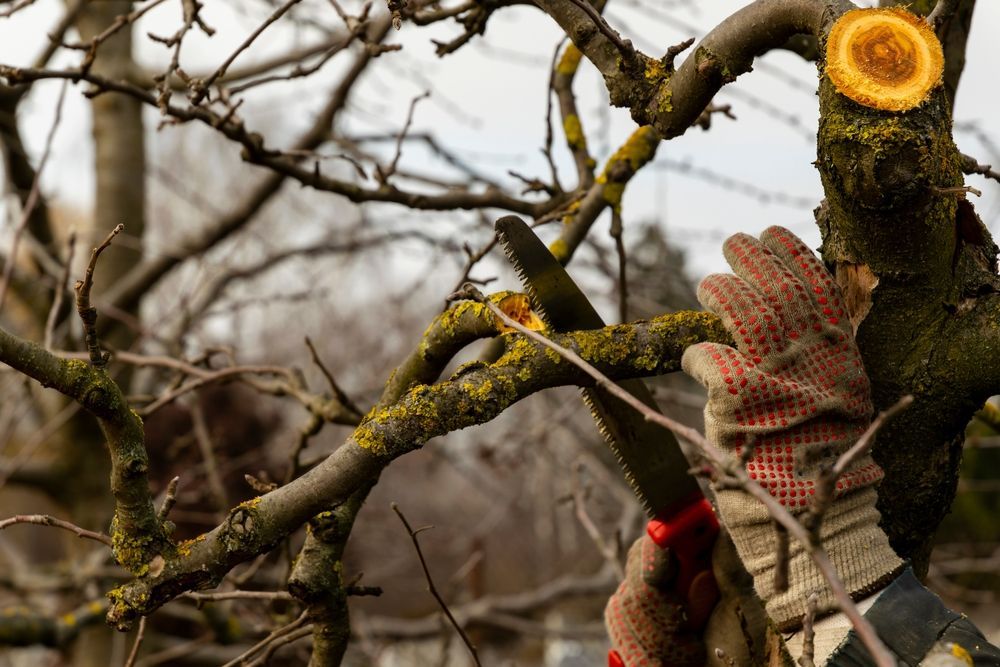
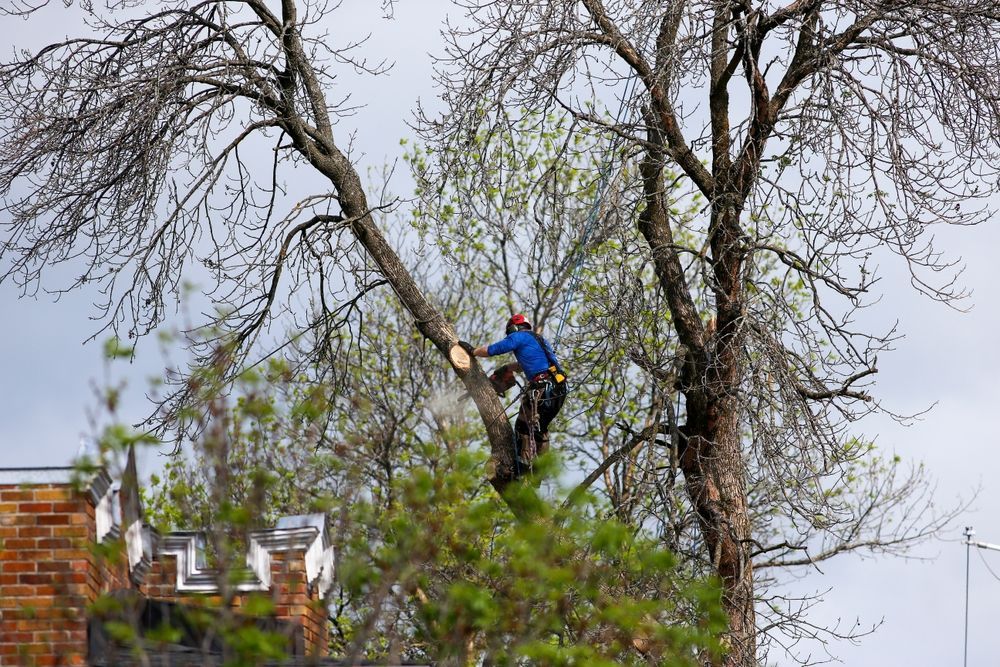
Your crew uses pole saws and chainsaws to remove selected branches from the canopy, making cuts just outside the branch collar to avoid tearing bark or leaving stubs that invite decay. Limbs are lowered by hand or dropped into open areas depending on where they hang and what sits below. Deadwood is removed first, followed by crossing branches and any growth that creates weight imbalances or blocks light from reaching lower sections of the canopy.
After trimming, you will notice more clearance between your roof and the nearest limbs, better airflow through the canopy, and less shade over driveways or windows. Gutters stay clearer because fewer twigs and leaves fall directly onto the roofline. The tree looks more balanced, and you no longer hear branches scraping against siding when the wind picks up.
Routine trimming does not include stump work, full removals, or cleanup of unrelated yard debris. L & A Vegetation Services offers maintenance scheduling for properties that need regular trimming to manage growth near roofs and utility lines. Commercial clients often need trimming coordinated around business hours to avoid disrupting parking or customer access.
Questions Property Owners Ask About Tree Trimming
Clients want to understand what gets cut, how often trimming should happen, and what results they can expect after the work is finished.
How much of the canopy can be removed safely?
Most trimming removes no more than twenty-five percent of the canopy in a single session to avoid stressing the tree or reducing its ability to produce food through photosynthesis.
What time of year is best for trimming?
Late winter and early spring are ideal for most species because the tree is dormant and wounds close quickly once growth resumes, though hazardous limbs should be removed as soon as they are identified.
Why do branches need to be cut at the collar?
Cutting too close damages the trunk, and leaving a stub prevents the wound from sealing, which invites insects and rot into the tree over time.
What happens if limbs are touching power lines?
The crew creates clearance around utility lines to reduce fire risk and prevent outages, following local standards for distance between vegetation and conductors in Charlotte.
How often should I schedule trimming?
Most properties benefit from trimming every two to three years depending on tree species, growth rate, and proximity to structures or infrastructure.
For an evaluation of which limbs need attention and a timeline that fits your property's needs, contact L & A Vegetation Services in Charlotte for a free estimate and trimming plan.