Most Storm Debris Mistakes in Concord Happen Before Cleanup Even Starts
Why the First Hour After a Storm Determines How Much Damage Compounds
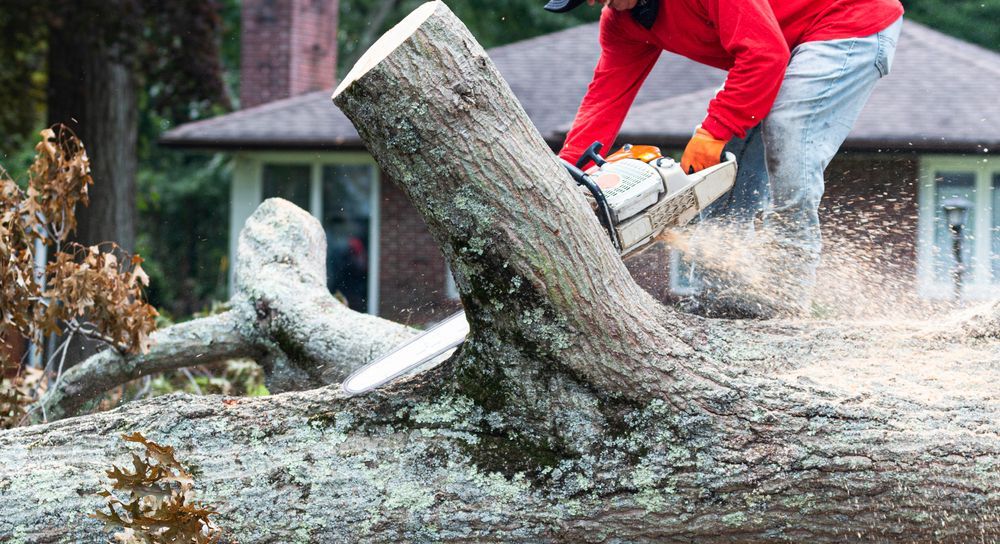
After a severe weather event moves through the Concord area, the instinct is to start moving debris immediately — but uprooted trees leaning against structures are under stored tension that releases unpredictably the moment a chainsaw changes the load. Root plates still partially in the ground can spring back as weight shifts. Limbs pinned under trunks become projectiles when the trunk is cut. Attempting cleanup without reading those forces first is how people get hurt and how manageable damage becomes catastrophic.
L & A Vegetation Services responds to storm emergencies throughout Concord, where the area's position in the Carolina Piedmont means fast-moving squall lines and occasional tornado-warned storms can drop entire tree canopies across driveways and rooflines within minutes. The difference between a professional response and a DIY attempt isn't equipment — it's the ability to assess tension, identify secondary hazards, and sequence debris removal so each cut reduces risk rather than creating new ones. After the work is done, driveways are clear, damaged limbs are down and processed, and the property is stable.
How Professional Storm Response Differs from Standard Tree Work
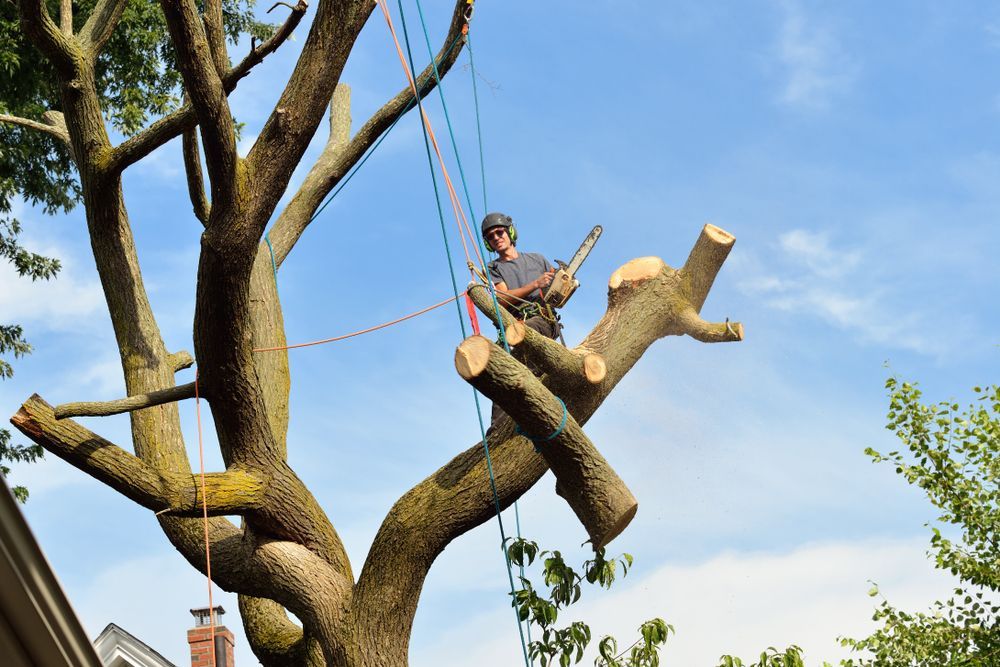
Standard tree removal happens on a schedule with a stable, standing tree. Emergency storm cleanup starts with unstable conditions — saturated soil, compromised root zones, structural damage to the tree and sometimes the building it landed on. The equipment is the same, but the approach is entirely different. Crews assess the loading condition of every piece before touching it, identify contact points where debris is supporting other debris, and establish a removal sequence that works from the outside of the pile inward rather than cutting the largest piece first.
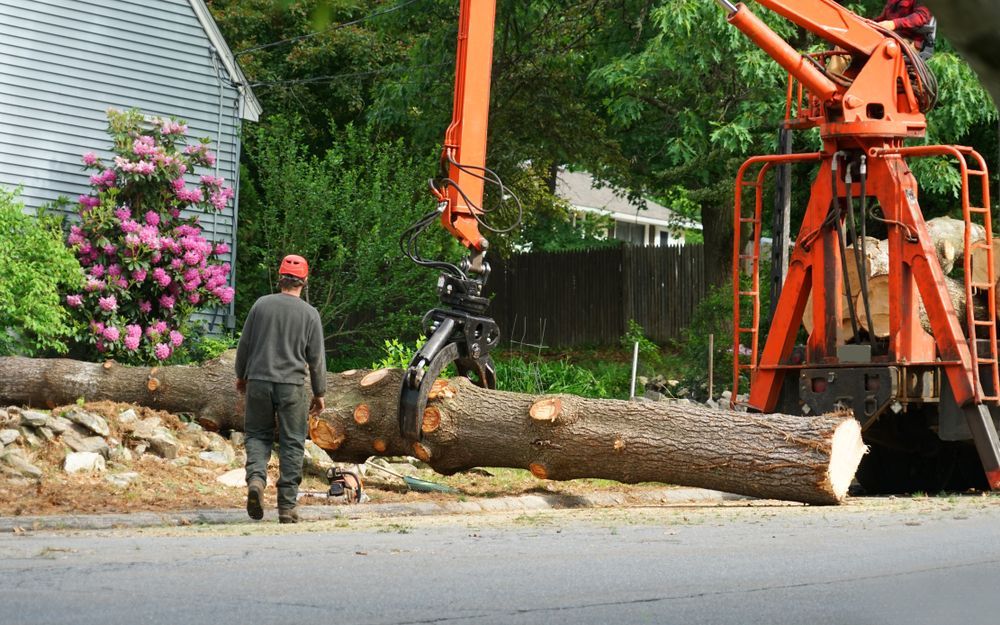
Speed matters because Concord properties with blocked access can't receive repair contractors, insurance adjusters, or emergency vehicles. Debris leaning on rooflines continues transferring load through the structure with every hour it sits. A fast, organized response — crews arriving with chainsaws, chippers, and rigging rather than a single truck and a handsaw — compresses what could be a multi-day situation into hours. Insurance documentation is also easier when professional response is prompt, since the condition of the damage is photographed and addressed before secondary deterioration begins.
When a storm leaves your Concord property blocked or damaged, reach out immediately for emergency storm clean up that handles hazardous conditions correctly from the first cut to the last load hauled.
What to Look for in an Emergency Storm Cleanup Crew
Not every tree service that calls itself available for emergency work is actually equipped to handle post-storm hazards safely. These are the criteria that separate a crew that makes the situation better from one that makes it worse:
- Whether they assess tension and load before cutting — any crew that starts chainsawing without evaluating how the debris is bearing against structures is skipping the step that prevents injuries
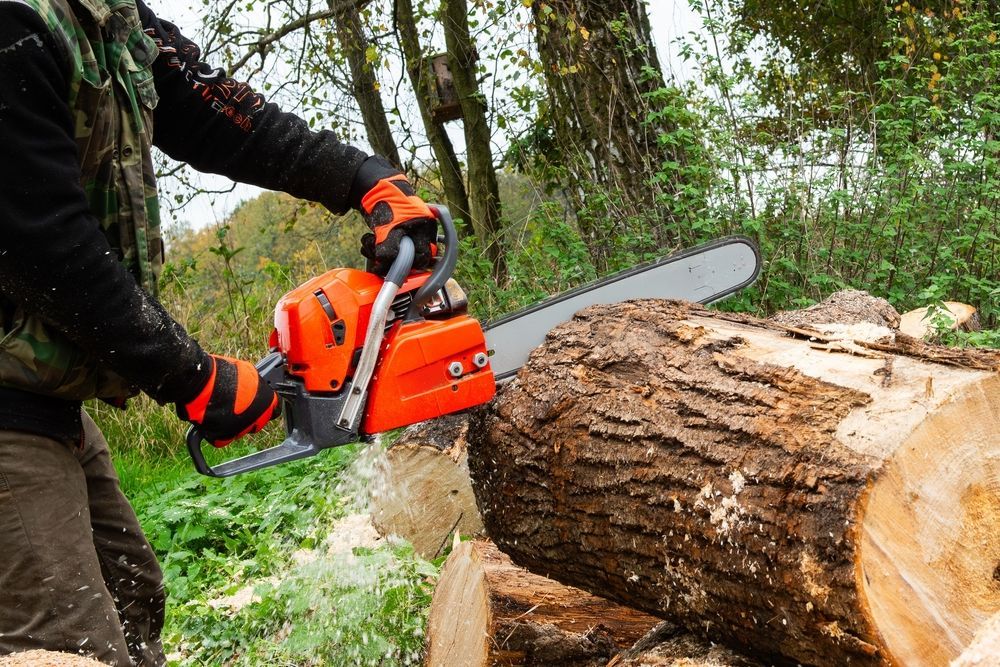
- Equipment on the truck when they arrive, since chainsaws alone cannot handle large-diameter trunks or debris pinned under structural weight safely
- Experience with Concord's storm patterns, including the saturated soil conditions that keep root plates unstable for 48 hours after heavy rain
- A documented removal sequence rather than a first-come-first-cut approach, which is how secondary damage to rooflines and foundations gets created during cleanup
- Ability to process and remove debris on the same visit, because leaving large sections on-site after cutting creates new tripping and structural hazards
The cleanup decision you make in the first hours after storm damage determines whether the situation improves or compounds. Learn more about emergency storm clean up in Concord and have a plan before the next severe weather event makes the decision urgent.