Properly Trimmed Trees in Raleigh Survive Storms That Destroy Neglected Ones
The Measurable Difference Regular Trimming Makes to Tree Structure
Trees trimmed on an arboricultural schedule develop what foresters call a dominant central leader — a single strong trunk with laterals spaced to distribute wind load evenly. Raleigh's mix of loblolly pines, willow oaks, and crape myrtles responds visibly to this kind of structural work: canopies become more open, which reduces sail effect during the fast-moving thunderstorms that track up I-40 in summer, and the wounds left by proper cuts callus cleanly rather than becoming entry points for fungal decay.
L & A Vegetation Services handles tree trimming throughout Raleigh, from established neighborhoods near Five Points where mature canopy trees overhang older homes, to newer developments in North Raleigh where Bradford pears and ornamental cherries need corrective work before their weak branch unions cause problems. After trimming, the difference is visible immediately — light reaches the turf beneath, the roofline clears, and branches that were rubbing structures no longer contact them.
The Trimming Process That Prevents Rather Than Reacts
An effective trimming visit starts with a canopy assessment before any cut is made. Crews identify codominant stems — the forked unions where two competing trunks grow from one point — because these are the locations that split during wind events, often tearing halfway down the trunk and causing far more damage than a clean branch removal would have. Removing or subordinating the weaker stem while the tree is young costs twenty minutes; waiting until the split happens costs a roofline repair.
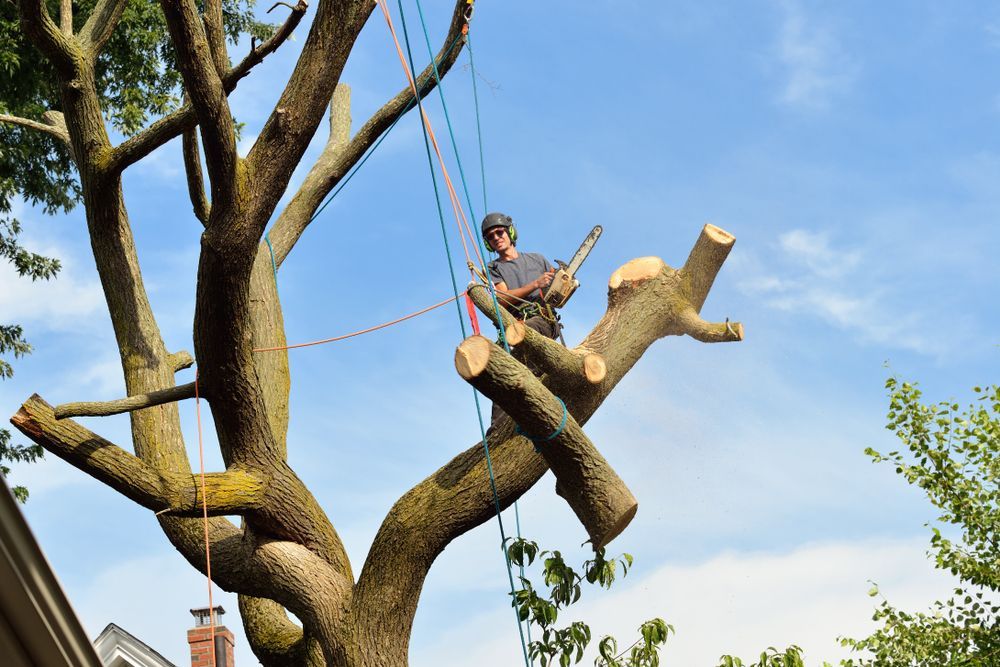
Deadwood removal is completed first, because dead limbs have no ability to callus over a cut and simply need to be gone. Live crown reduction follows, using reduction cuts back to lateral branches rather than flush cuts or stubs, which prevents the cluster of weakly attached water sprouts that untrained operators leave behind. The final canopy is balanced, meaning no single side carries disproportionate weight that would pull the tree in a windstorm. Raleigh properties treated this way consistently show less storm damage in the seasons following service.
Schedule tree trimming in Raleigh now and get a clear picture of what your trees need before summer storm season tests every weak branch on your property.
What a Complete Trimming Service Delivers
A thorough trimming appointment addresses the full range of issues that develop when trees grow without structural guidance. Here is what the process includes from first cut to final cleanup:
- Canopy assessment to identify codominant stems, included bark, and branch unions likely to fail under load before any trimming begins
- Deadwood removal throughout the crown, eliminating branches that will drop unpredictably regardless of weather conditions
- Clearance cuts that separate branches from rooflines, gutters, and HVAC equipment — contact points that cause moisture damage and shingle wear over time
- Reduction cuts back to lateral branches that leave clean collar wounds and callus properly rather than producing water sprouts, keeping Raleigh trees healthy long-term
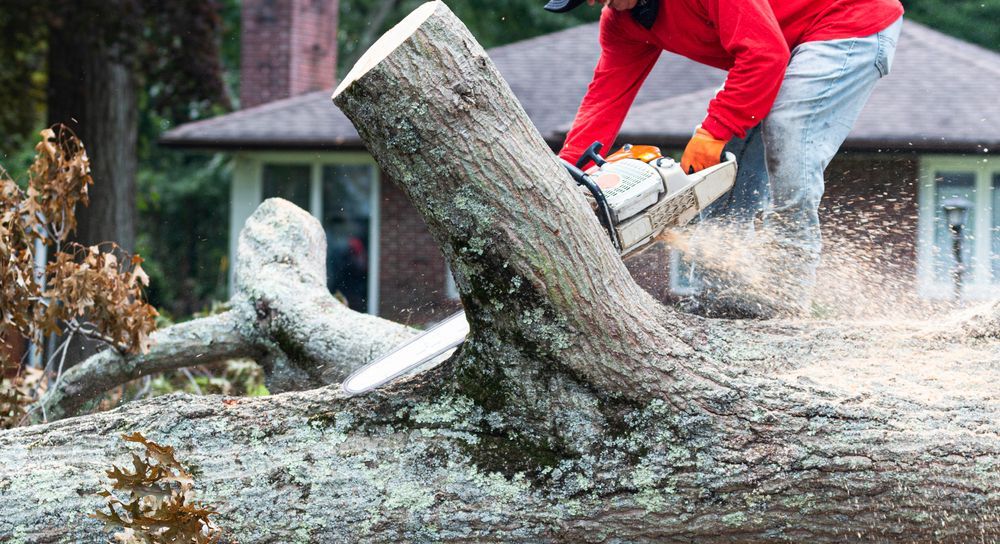
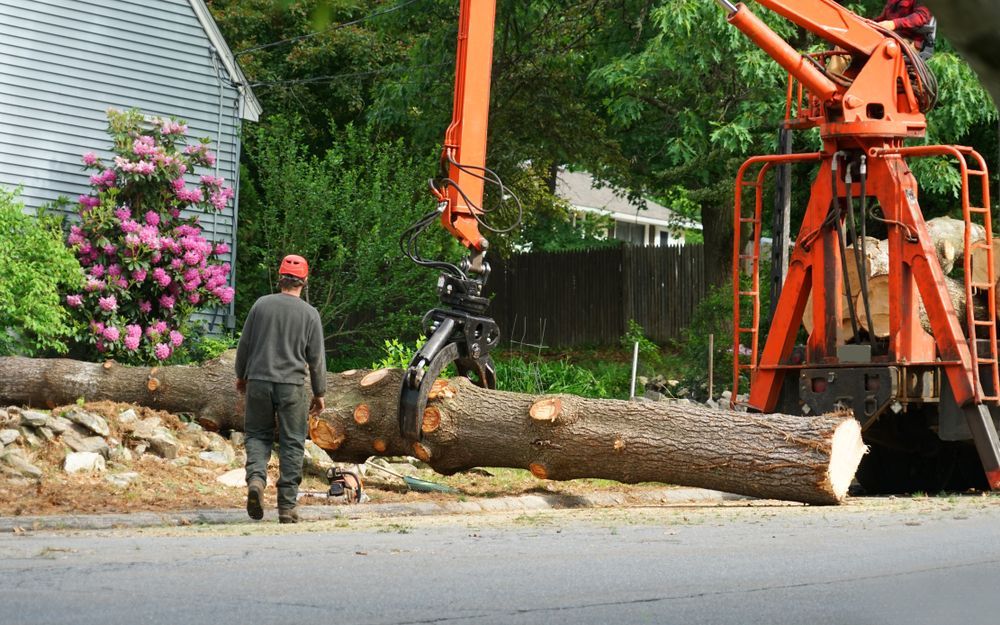
- Complete debris removal and site cleanup so the property looks better immediately, not just after growth fills back in
Trees that receive consistent structural trimming live longer, cost less in emergency response, and add canopy value to your property instead of liability. Contact us to schedule tree trimming in Raleigh and find out exactly what your trees need to stay healthy through the next several growing seasons.